The Paleolithic
Was it all good? Did the Neolithic ruin us?

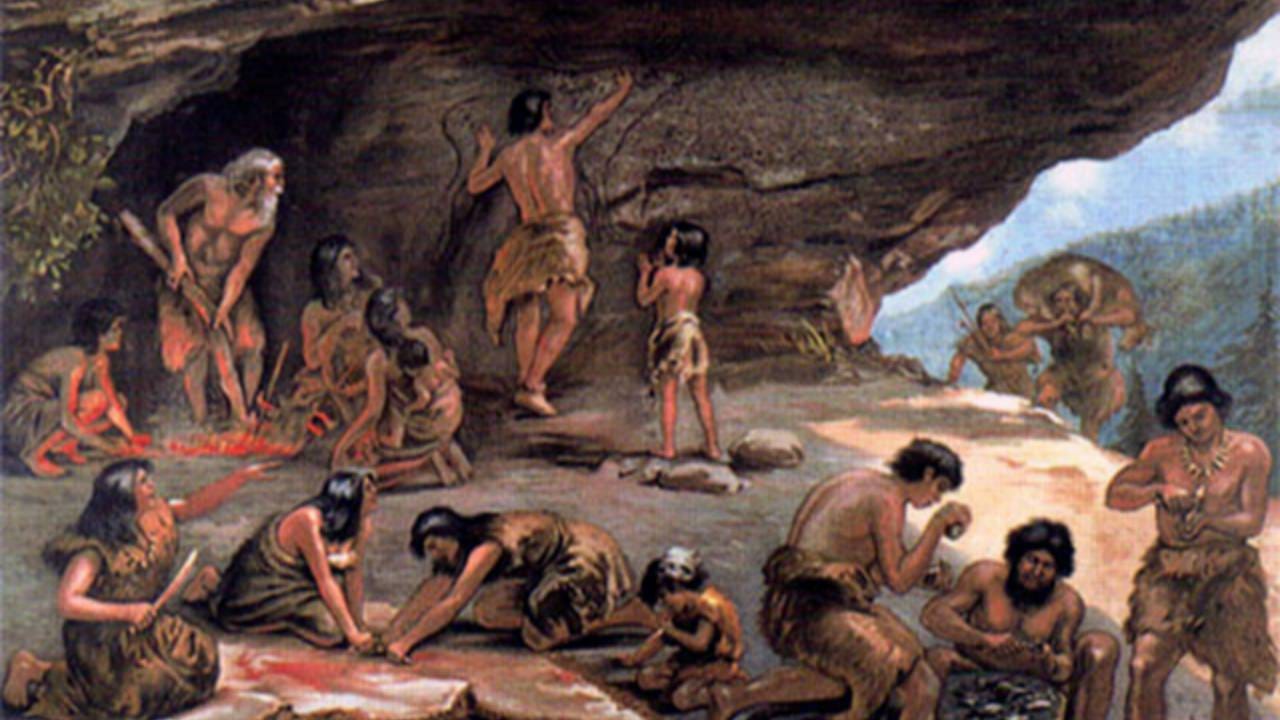
The idea that the Palaeolithic era was an idyllic period of human existence is a romanticised notion without a solid foundation. While it is true that early humans lived in close connection with nature and may have experienced certain freedoms from the complexities of modern civilisation, the reality of life in the Palaeolithic was far more challenging and precarious than some idealised visions suggest.
The Palaeolithic: A Vast Timespan
The Palaeolithic period, also known as the Old Stone Age, spans an enormous timeframe of over three million years. To consider it a single, unified experience would be an oversimplification. Modern Homo sapiens, the species to which all humans belong, emerged around 300,000 years ago, but the development of behaviourally modern humans—those exhibiting complex cognition, symbolic thought, and cultural development—occurred much later, around 75,000 years ago. Before this, various hominid species existed, each with their own adaptations, ways of life, and technological advancements.
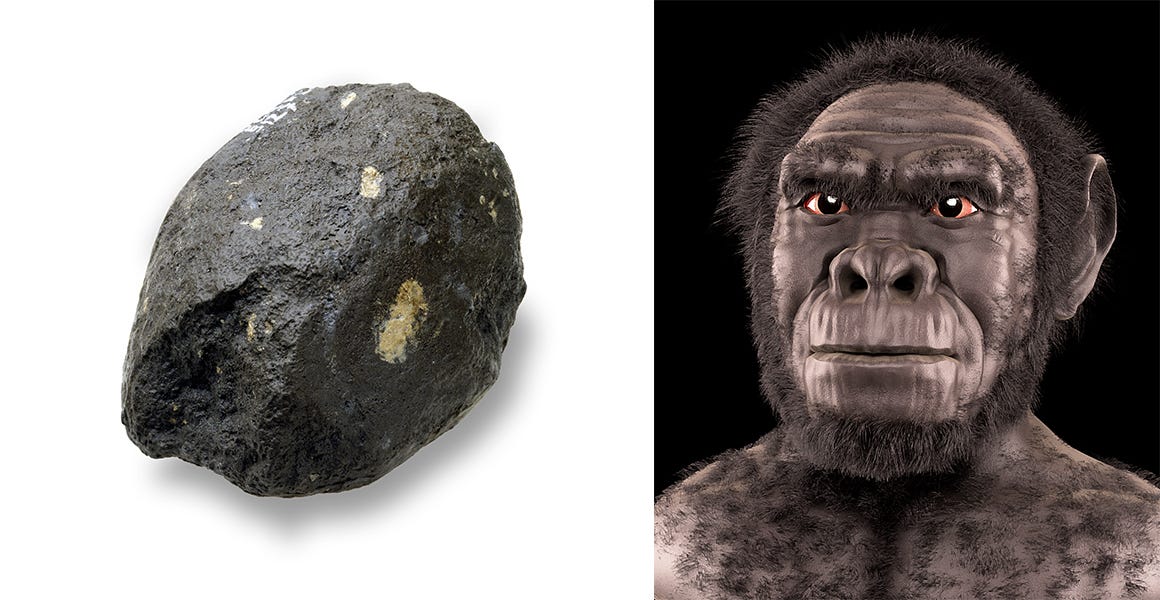
Homo habilis, one of the earliest members of the genus Homo, lived around 2.4 to 1.4 million years ago and is known for its rudimentary use of stone tools. Homo erectus, which emerged approximately 1.9 million years ago, had a larger brain and more advanced tool-making capabilities. Other species, such as Homo antecessor, Homo heidelbergensis, Homo neanderthalensis, and Homo floresiensis, all contributed to the long and complex evolutionary tapestry of early humans. These various species experienced widely different environments, diets, and survival challenges. The idea that the Palaeolithic was a homogenous era of peace and prosperity ignores the vast diversity of human experiences during this time.
What We Know and What We Don’t
Archaeological evidence provides considerable insight into early human life. We know that stone tools were crucial to survival, with increasing complexity in their manufacture indicating cognitive advancements. Early humans also developed fire, allowing them to cook food, ward off predators, and possibly create a communal space that contributed to social bonding. Skeletal remains give us information about hominid anatomy and suggest that they faced injuries, diseases, and sometimes violent deaths. There is also evidence of the development of early forms of language and culture, though their exact nature remains uncertain.
However, there are many things we do not and may never know. Did early Homo sapiens have personal names, as we do? While it is likely that they had some form of social identity, we cannot confirm whether they used structured naming conventions. Similarly, while we know that some animals were domesticated by the later Palaeolithic, the exact process remains unclear. How did humans shift from hunting wild animals to keeping them in controlled environments? Was this a deliberate effort, or did it happen gradually as certain species became more accustomed to human presence?
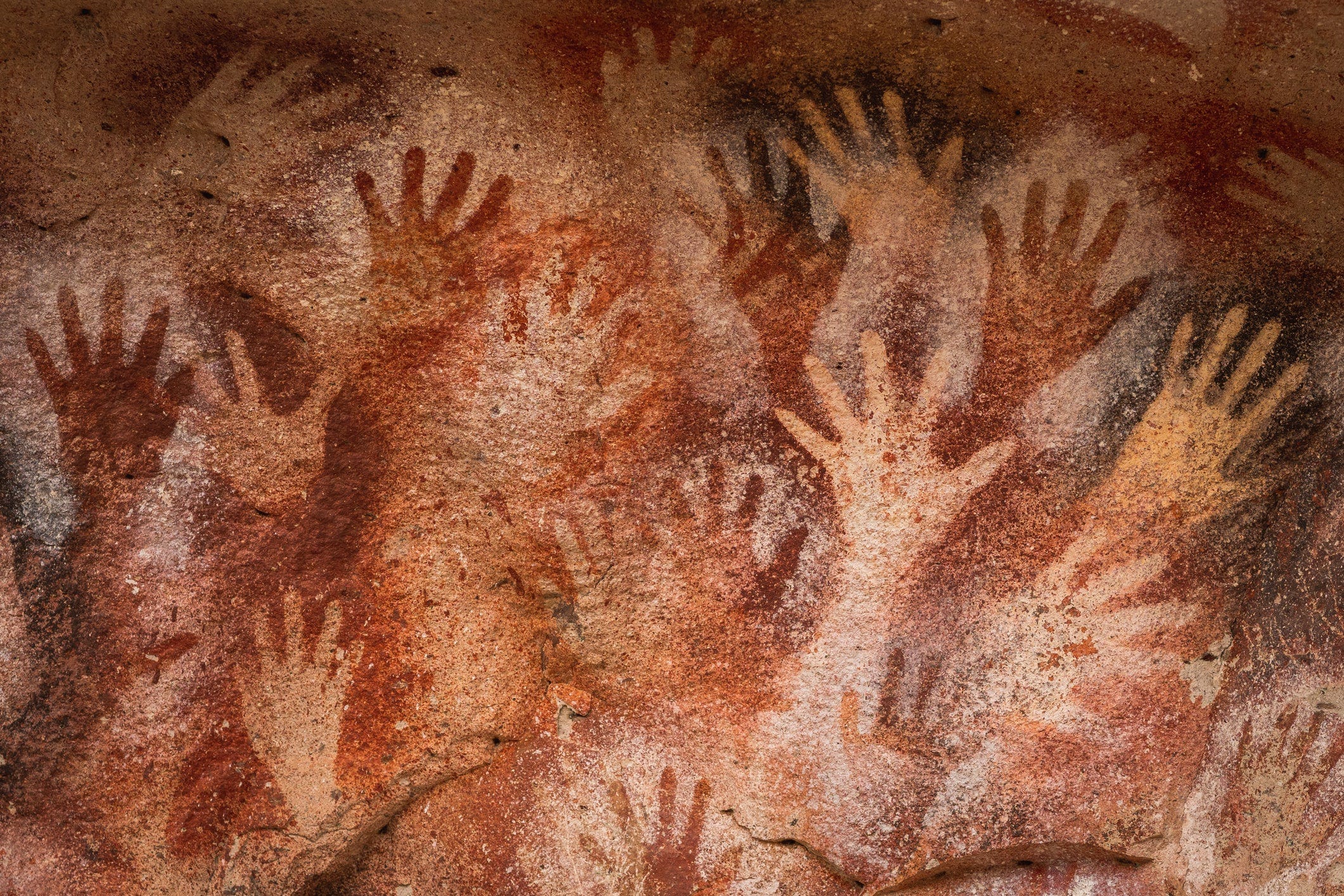
Religion and spirituality also remain enigmatic. While certain burial practices and cave paintings suggest ritualistic behaviour, we cannot determine whether early humans had religious beliefs in the way that modern societies do. Were cave paintings merely abstract artistic expressions, or did they hold deeper spiritual or shamanistic significance? The presence of handprints, animal depictions, and symbolic markings in caves such as Lascaux and Chauvet hints at a complex cognitive world, but without written records, their true meaning remains speculative.
The Myth of the Idyllic Palaeolithic
One of the reasons the Palaeolithic is sometimes imagined as an idyllic period is the perception that early humans lived in harmony with nature, free from the burdens of modernity. Some have even argued that the transition to agriculture in the Neolithic period (beginning around 10,000 BCE) was a mistake, leading to social stratification, warfare, disease, and environmental destruction. However, this view is overly simplistic.
Life in the Palaeolithic was incredibly harsh. Fossil evidence suggests that early humans had high mortality rates, with many individuals suffering from malnutrition, infections, or injuries. Predation, intergroup conflict, and environmental hazards posed constant threats. While hunter-gatherers may have had more varied diets than early agriculturalists, they were also subject to food scarcity and periods of famine. The notion that these societies were universally peaceful is contradicted by evidence of interpersonal violence and even possible warfare among early human groups.
Additionally, concrete evidence does not support the idea that the Neolithic period “ruined” humanity. The shift to agriculture did lead to morphological changes, including smaller bones and reduced dentition, likely due to changes in diet and lifestyle. However, the Neolithic also allowed for population growth, technological innovation, and the eventual rise of complex civilisations. This transition led to the development of writing, art, science, and governance. While agriculture introduced new challenges—such as increased disease transmission and social inequality—it also enabled the creation of cultural advancements that define human society today.
The Role of Neurodiversity in the Palaeolithic
A theory suggests that conditions like ADHD may have been better suited to the Palaeolithic lifestyle and only became problematic in contemporary society due to modern societal structures and expectations. The argument posits that traits associated with ADHD—such as impulsivity, hyperactivity, and heightened alertness—may have been advantageous for hunting. However, this is a moot point, as hunting techniques vary significantly depending on the prey species.
For instance, hunting deer often requires silence and patience, making impulsivity a liability rather than an asset. Conversely, certain prey species, such as quail, require more rigorous and active hunting techniques, like flushing them from cover. Fox hunting historically involved active dog hunts, where different skills were beneficial. This variation in hunting strategies means that no single neurotype can be deemed superior for survival in the Palaeolithic—an individual who may struggle in one scenario could excel in another. The same can be said for autism, where traits such as intense focus, pattern recognition, and deep specialisation could have been advantageous in certain aspects of early human life.
The Challenge of Using Contemporary Hunter-Gatherers as Evidence
Some researchers attempt to draw parallels between contemporary hunter-gatherer societies and Palaeolithic peoples, particularly in discussions of social structures. However, this approach is problematic. Modern hunter-gatherers, such as the Hadza of Tanzania or the San people of southern Africa, exist in a vastly different world shaped by external pressures, interactions with agricultural societies, and thousands of years of historical change.

While many contemporary hunter-gatherer groups exhibit egalitarian structures with minimal social hierarchies, this does not necessarily reflect the dynamics of Palaeolithic societies. Given the vast span of the Palaeolithic, social organisation likely varied between different groups and environmental conditions. Some groups may have operated in loosely egalitarian bands, while others may have developed more complex leadership roles in response to resource distribution, environmental stress, or intergroup interactions. The assumption that early humans universally lived in non-hierarchical societies risks oversimplifying the vast diversity of social structures that may have existed.
A Balanced Perspective
Rather than idealising or condemning the Palaeolithic and Neolithic periods, it is more useful to view them as distinct phases of human development, each with advantages and drawbacks. Early humans displayed remarkable resilience and ingenuity in adapting to their environments, and the transition to agriculture was not an instantaneous or universally negative shift. It is important to acknowledge the struggles of prehistoric life while also appreciating the foundations it laid for future progress.
Ultimately, the romanticised vision of the Palaeolithic as an idyllic golden age is not supported by evidence. Early human life was filled with both remarkable achievements and immense hardships. Rather than longing for a past that never truly existed, we should strive to understand the complexities of our evolutionary journey and recognise both the triumphs and tribulations that have shaped humanity.